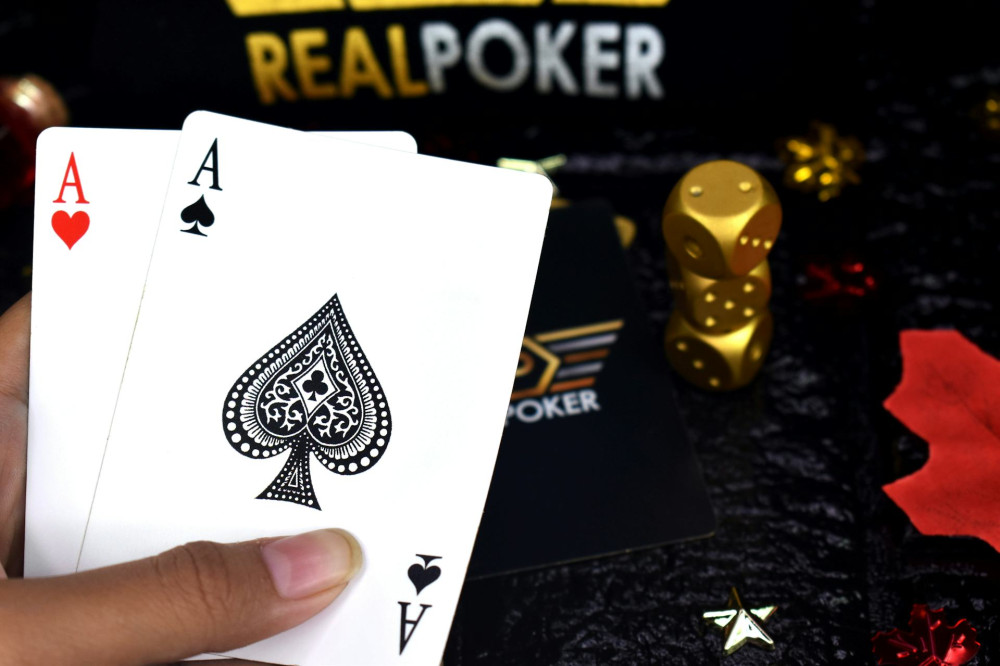
Baccarat’s Journey: From the Game of the Elite to a People’s Favorite

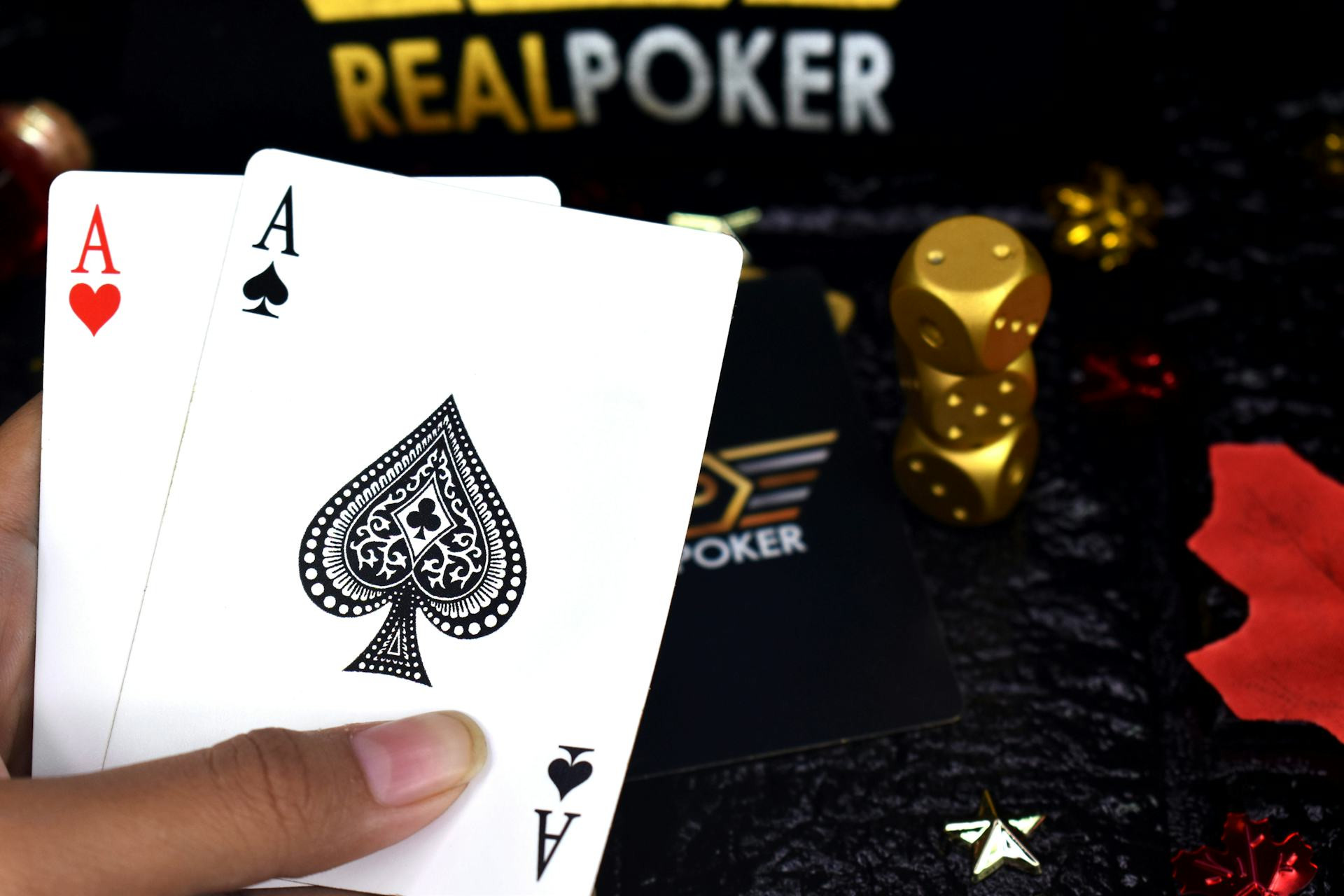
Baccarat’s Journey: From the Game of the Elite to a People’s Favorite
For centuries, baccarat has been wrapped in an aura of mystery, elegance, and exclusivity. From the lavish salons of 19th-century France to the digital casino platforms of today, the game has undergone a remarkable transformation. Once reserved for aristocrats and high rollers, baccarat has evolved into a game enjoyed by players of all backgrounds. But how did a pastime once synonymous with luxury become a favorite among everyday casino-goers?
From Italian Origins to French Refinement
Baccarat’s story likely begins in 15th-century Italy, where a game called baccara—meaning “zero”—was invented. The name refers to the fact that face cards and tens count as zero in the game’s scoring system. The game soon made its way to France, where it became a favorite at the royal court of King Charles VIII. There, it developed into Chemin de Fer, a version that emphasized strategy and social interaction among the nobility.
Over the following centuries, baccarat became a symbol of sophistication and privilege. It was the game of choice in the grand casinos of Monte Carlo and the private clubs of London and Paris. The stakes were high, the atmosphere discreet, and the players impeccably dressed—baccarat was as much about style as it was about chance.
A Game for the Few – and for James Bond
Baccarat’s exclusive image was further cemented in the 20th century, thanks in part to popular culture. In several early James Bond films, the suave secret agent is seen at the baccarat table, exuding confidence and cool under pressure. The association with Bond reinforced the game’s reputation as one for the sophisticated and daring—a pastime for those who could afford both the risk and the image.
Yet this very mystique kept many casual players at a distance. The rules seemed complex, and the minimum bets were often intimidating. For decades, baccarat remained a game for the few.
Global Expansion and New Variants
As the casino industry expanded globally, baccarat began to change. In Asia—particularly in Macau—the game exploded in popularity during the 1980s and 1990s. There, it became more than just a casino game; it was a cultural phenomenon tied to ideas of luck, fate, and fortune. The simplified version known as Punto Banco made the game easier to learn and more accessible to a wider audience.
Meanwhile, casinos in Las Vegas and Atlantic City introduced mini-baccarat, a faster, more relaxed version with lower minimum bets. This innovation marked a turning point: baccarat was no longer reserved for the elite. Anyone could now take a seat at the table and experience the thrill once limited to high-stakes rooms.
The Digital Revolution
The rise of the internet brought baccarat into a new era. Online casinos made it possible to play from home, and suddenly the game was available to millions around the world. Live dealer versions, where players interact with real croupiers via video stream, preserved the traditional atmosphere, while mobile apps and online platforms made it easy to play anytime, anywhere.
Digital gaming also helped demystify baccarat. Many online casinos offer free or demo versions, allowing newcomers to learn the rules without financial risk. This accessibility has helped baccarat become one of the most popular card games in the online casino world.
Læs også:




Why Baccarat Still Captivates
Even as baccarat has become more accessible, it has retained its distinctive charm. The game combines simplicity with suspense—there are few decisions to make, yet every hand carries a sense of anticipation. For many players, it’s this balance between luck and timing that makes baccarat so compelling.
There’s also a social element to the game. Whether at a physical table or in a live online session, baccarat creates a shared sense of excitement and camaraderie. It’s a game where players, regardless of their background or bankroll, can feel part of something larger.
From Salon to Screen – A Journey Through Time and Culture
Baccarat’s journey from royal salons to smartphone screens mirrors the broader evolution of gaming and culture. What was once a symbol of exclusivity has become a global pastime that unites players across continents and generations.
Perhaps that’s the secret to baccarat’s enduring appeal: its ability to preserve its elegance while adapting to the times. From the courts of kings to the digital age, baccarat’s story proves that true classics never go out of style.
Læs også: