Young Riders and Rookies: How to Assess Their Potential in Major Cycling Races

Young Riders and Rookies: How to Assess Their Potential in Major Cycling Races
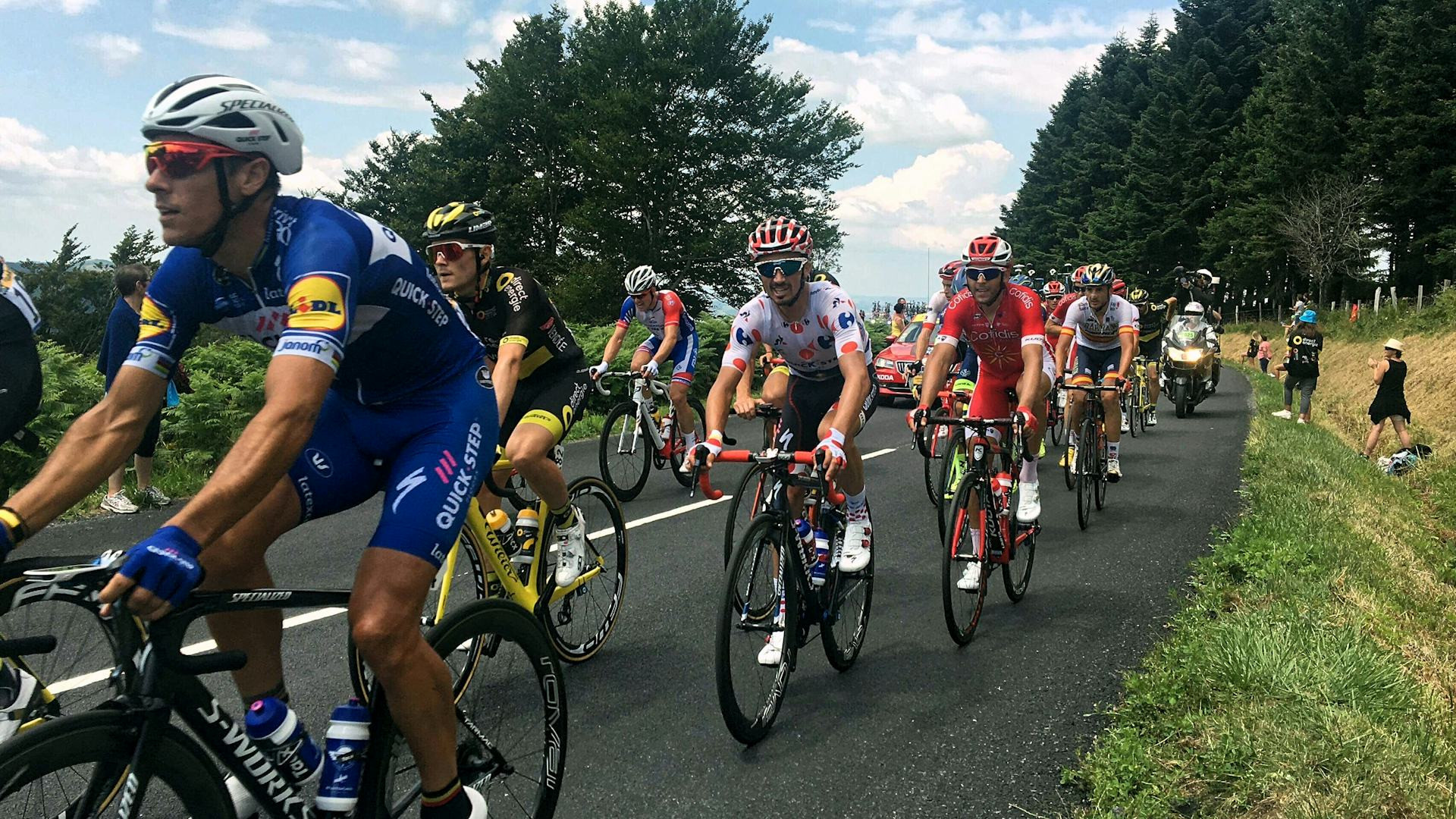
As a new cycling season begins and the big stage races approach, it’s not only the established stars who draw attention. Young riders and first-time competitors often spark curiosity among fans, analysts, and team scouts alike. But how can you tell whether a young cyclist has what it takes to succeed in the sport’s biggest events? Here’s a guide to understanding the key factors that reveal a rider’s true potential.
Age Is Only Part of the Story
Modern cycling has redefined what “young” means. Riders like Tadej Pogačar, Remco Evenepoel, and Egan Bernal have proven that Grand Tour victories can come early in a career. But age alone doesn’t determine readiness.
What matters more is how a rider has developed. Some progress steadily through junior and U23 categories, while others leapfrog levels thanks to exceptional talent. A rider who’s had time to build endurance, tactical awareness, and race craft often adapts better to the WorldTour than one who’s been pushed too quickly.
Results in Smaller Races Offer Valuable Clues
Before a young rider gets a shot at the Tour de France or Giro d’Italia, their performances in smaller races can reveal a lot. Look for consistency, not just flashes of brilliance. Can they perform well over several days? Do they handle different terrains and weather conditions?
- Stage races like the Tour de l’Avenir, Baby Giro, or the Tour of Utah often highlight future climbers and general classification contenders.
- U23 classics such as Liège–Bastogne–Liège U23 or Paris–Roubaix Espoirs test endurance, bike handling, and tactical sense.
- National championships and time trials can show whether a rider has the engine and discipline to become an all-rounder.
It’s not just about winning—it’s about how they race. A young cyclist who shows initiative, tactical awareness, and composure under pressure is often a better long-term prospect than one who simply follows the pack.
Physical Attributes and Specialization
Cycling has become increasingly data-driven. Teams track power output, recovery rates, and aerodynamics to evaluate potential. But numbers only tell part of the story.
A lightweight climber with impressive watts per kilogram might look promising, but if they struggle with positioning or crosswinds, they’ll face challenges in major races. Conversely, a powerful rider with strong technical skills might evolve into a top classics specialist even without standout lab results.
The key is to match a rider’s physical profile with the right race type and development plan. Teams with structured support systems—like INEOS Grenadiers or UAE Team Emirates—often help young riders find their niche and grow steadily.
Mental Strength and the Learning Curve
Grand Tours and Monuments test more than just legs—they test resilience. Young riders who can handle pressure, adapt to setbacks, and stay focused through long, grueling races have a clear advantage. The ability to learn from mistakes and bounce back stronger often separates good riders from great ones.
A positive sign is steady improvement within a race or season. Maybe a rookie struggles in the first week of a stage race but finishes strong in the final mountain stages. That progression shows both physical adaptation and mental toughness—essential traits for long-term success.
The Team’s Role in Development
No young rider succeeds alone. The team’s philosophy, coaching staff, and race schedule play a huge role in shaping a career. Some teams, like Jumbo-Visma and EF Education–EasyPost, have well-defined development programs that gradually expose riders to tougher competition. Others give young talents early leadership opportunities to accelerate their growth.
When evaluating a rookie, consider how their team uses them. Are they given freedom in smaller races? Are they learning by supporting team leaders in Grand Tours? The way a team integrates a young rider often reveals how much faith they have in their future.
Balancing Data and Instinct
While analytics are invaluable, cycling still rewards intuition. Some riders simply look like winners—their confidence, positioning, and timing set them apart. Observing how a young cyclist reads a race, reacts to attacks, and makes decisions can tell you as much as any power file.
The best assessments combine data with observation. Numbers show potential; instincts reveal character. Together, they paint a complete picture of a rider’s future.
Læs også:
Patience Pays Off
Finally, remember that not every talent blooms overnight. Some riders need several seasons to find their rhythm and role. A few quiet years don’t mean potential is lost—often, it’s part of a healthy development process.
Assessing young riders is about seeing the whole picture: physical ability, mental resilience, learning capacity, team environment, and race intelligence. When all these elements align, a promising rookie can transform into a world-class champion—and that journey is what makes following cycling’s next generation so exciting.
Læs også: