Driver Analysis in the Digital Age: The Role of Technology in Modern Motorsport

Driver Analysis in the Digital Age: The Role of Technology in Modern Motorsport
In today’s motorsport, victory is no longer determined solely by a driver’s instinct or a mechanic’s craftsmanship. Data, sensors, and advanced software now play a decisive role in understanding, improving, and predicting on-track performance. Driver analysis has evolved into a science of its own—and the technology behind it is advancing at breakneck speed.
From Intuition to Data-Driven Decision Making
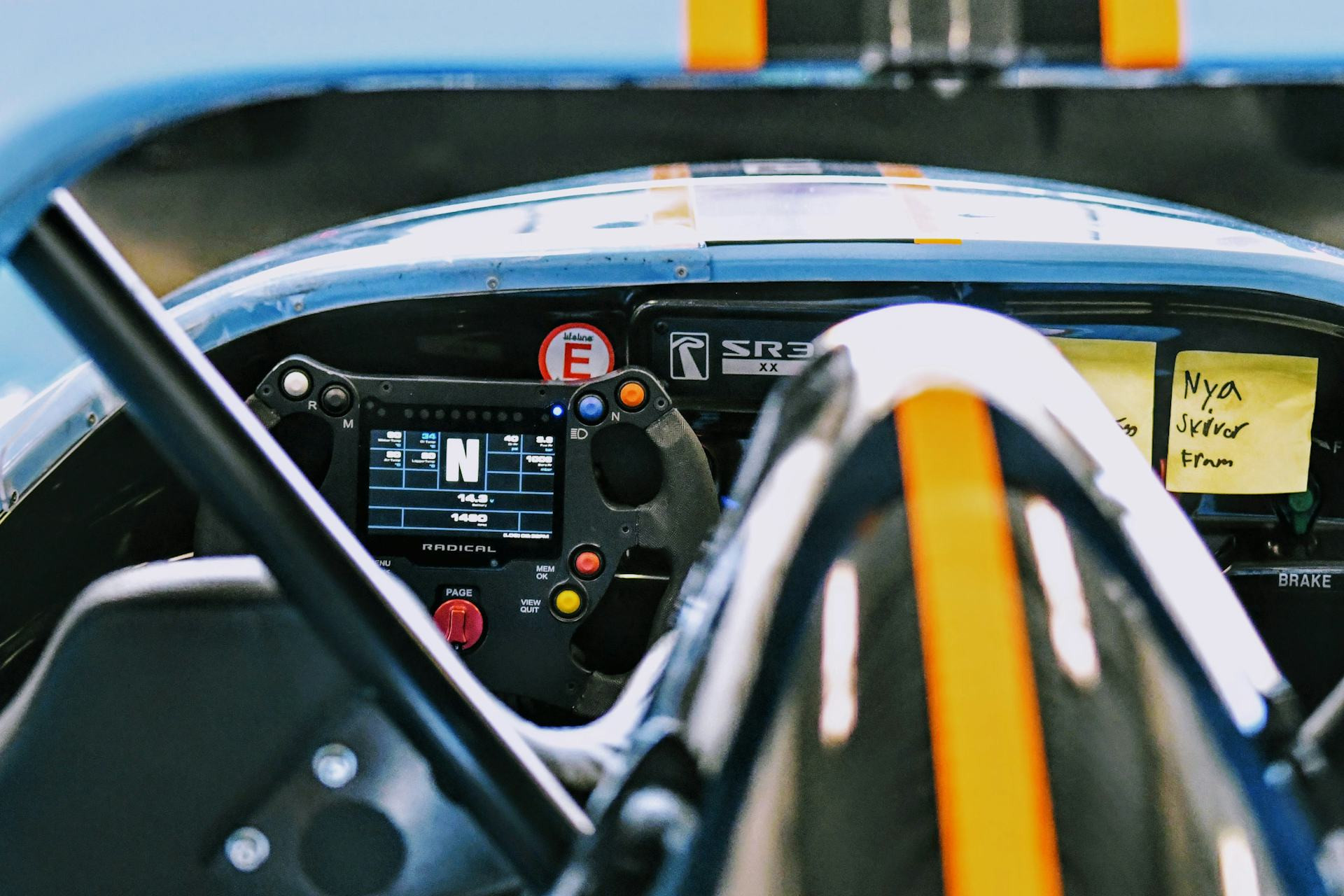
In the past, driver analysis relied heavily on experience and intuition. A driver might describe how the car felt through a corner, and engineers would make adjustments based on their best judgment. Today, that process is far more precise. Every movement—from throttle input to steering angle—is recorded and analyzed in real time.
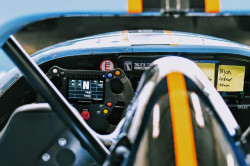
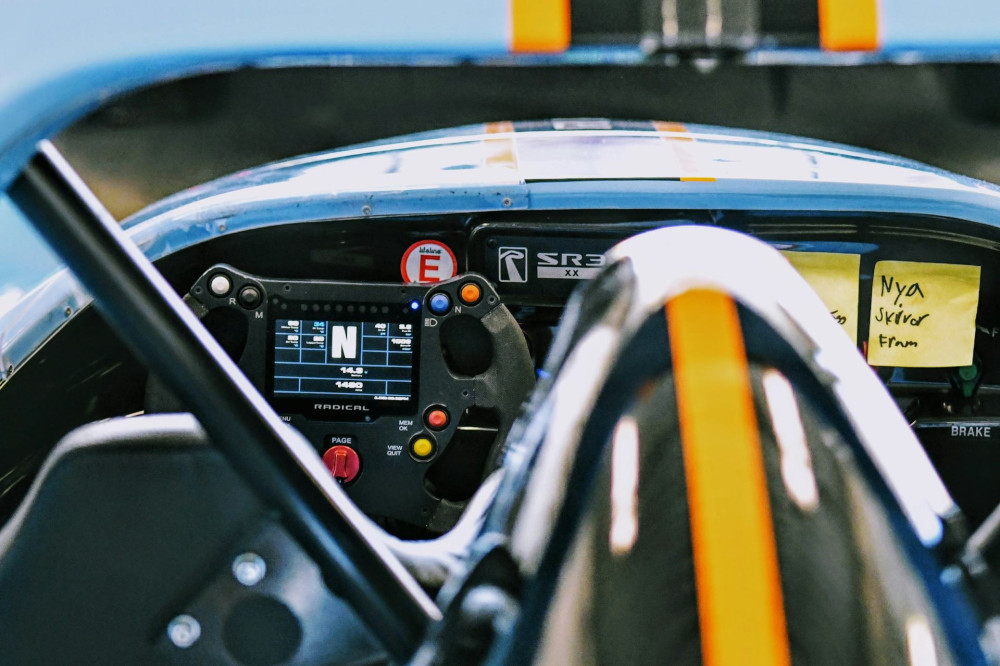
Sensors embedded throughout the car collect thousands of data points per second. These data are transmitted to engineers, who can compare a driver’s performance with previous laps, teammates, or even simulated ideal lines. This allows teams to make informed decisions about setup, tire strategy, and race tactics with unprecedented accuracy.
Telemetry: The Digital Lifeline of Motorsport
Telemetry is the heartbeat of modern driver analysis. It enables teams to monitor a car’s performance while it’s on track and send information directly to the pit wall. Engineers can see everything from engine temperature to brake pressure and tire wear.
In Formula 1, telemetry is so advanced that teams can detect potential issues before they become critical. A slight change in oil pressure or battery temperature might trigger an immediate message to the driver to adjust their driving style—preventing a mechanical failure. It’s a seamless collaboration between human and machine, where milliseconds and microscopic details can mean the difference between triumph and defeat.
Læs også:

Simulation and Artificial Intelligence
The rise of artificial intelligence (AI) and machine learning has opened new frontiers in driver analysis. By feeding algorithms with massive amounts of data, teams can predict how a car will behave under different conditions—and how a driver can optimize performance.
Simulation tools are not only used to test aerodynamics but also to train drivers mentally. Virtual tracks and realistic driving scenarios allow drivers to practice strategies without ever leaving the garage. This approach reduces costs while increasing precision in preparation. In the U.S., where NASCAR and IndyCar teams operate under tight budgets and schedules, simulation technology has become an indispensable part of race preparation.
The Driver’s Role in a Digital World
Despite the growing influence of technology, the driver remains at the center of it all. Data can reveal what is happening—but not always why. Human intuition is still essential to interpret how the car feels and how to extract its full potential.
The best drivers today are those who can combine technical understanding with instinct. They can read data, communicate effectively with engineers, and translate analysis into action on the track. In this sense, driver analysis is not just a technological tool but a discipline that demands teamwork, insight, and adaptability.
From the Racetrack to the Road
The technologies used in motorsport driver analysis are increasingly finding their way into everyday vehicles. Systems such as traction control, adaptive cruise control, and advanced driver-assistance systems (ADAS) are built on the same principles: real-time data collection, analysis, and response.
This means that innovations born on the racetrack are making everyday driving safer and more efficient. Motorsport serves as a laboratory for innovation, pushing the boundaries of what technology can achieve—and those advancements often end up in the cars Americans drive daily.
The Future of Driver Analysis
In the coming years, driver analysis will become even more integrated with artificial intelligence, cloud-based systems, and possibly biometric data from the driver. Heart rate, eye movement, and reaction time could provide insights into how stress and concentration affect performance.
This evolution is both exciting and challenging. Where do we draw the line between human and machine? And how do we preserve the spirit of motorsport in an era when algorithms can predict almost everything?
One thing is certain: technology will continue to be an indispensable part of motorsport’s future—but it will always be the human behind the wheel who gives the data meaning.
Læs også: