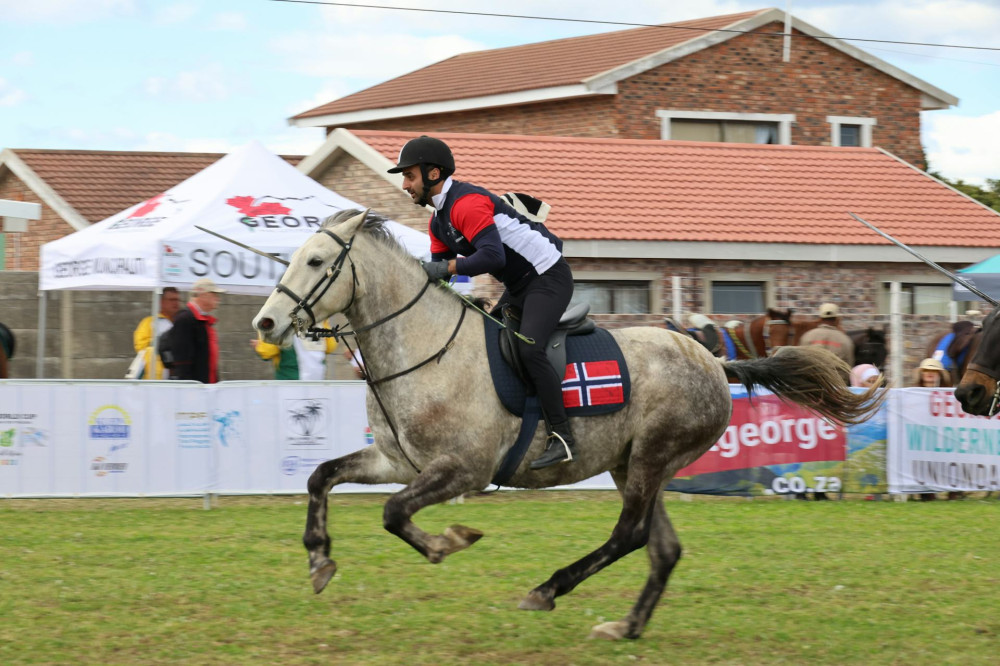
Check the Track Conditions: A Simple Routine Before You Bet on Horses

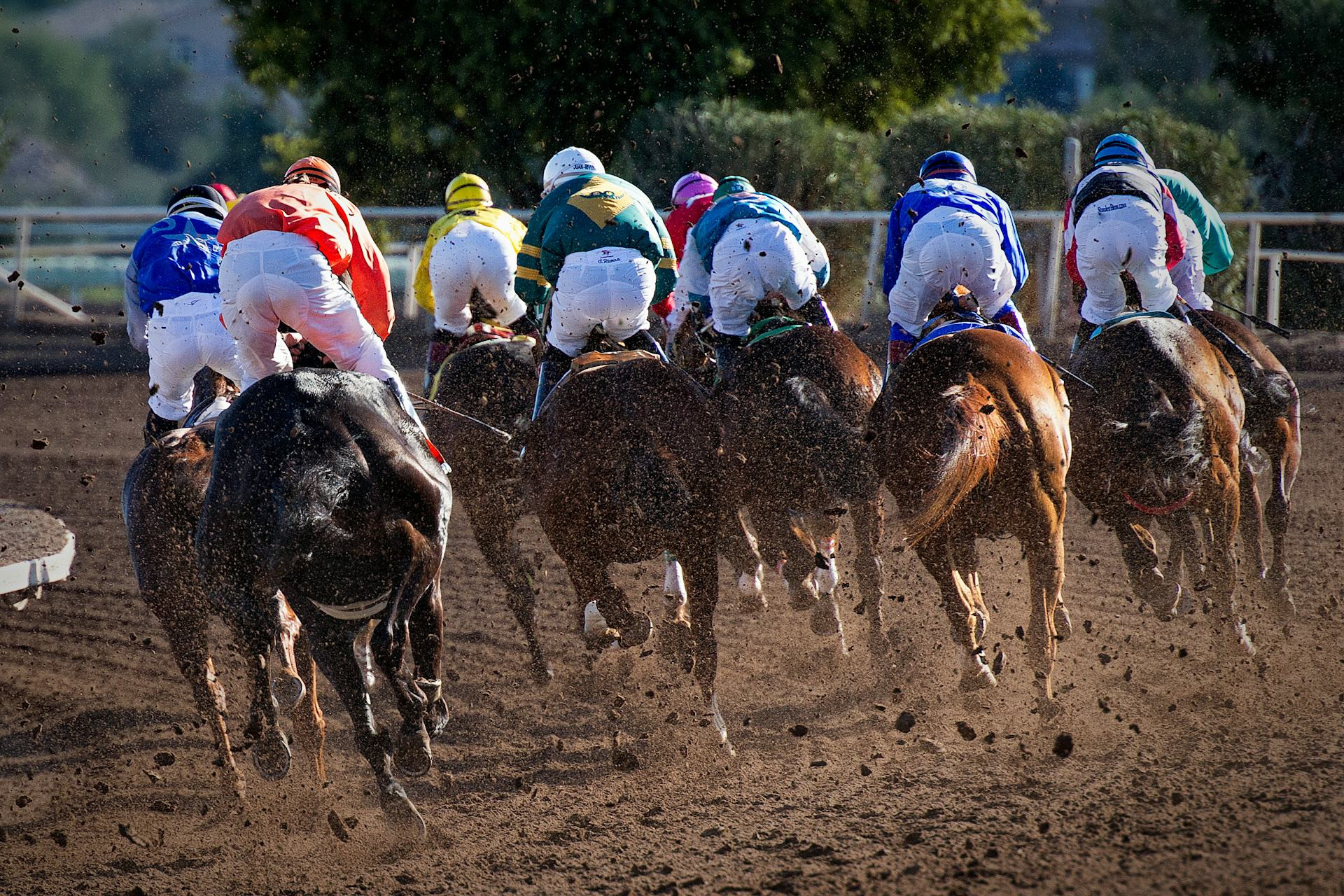
Check the Track Conditions: A Simple Routine Before You Bet on Horses
When you bet on horse races, it’s not just about knowing the jockeys and the horses — it’s also about understanding the surface they’ll be running on. Track conditions can have a major impact on how a race unfolds and which horses have the advantage. A quick check of the track before you place your bet can be the difference between an informed wager and a blind guess. Here’s a simple routine to follow before you make your next bet.
Why Track Conditions Matter
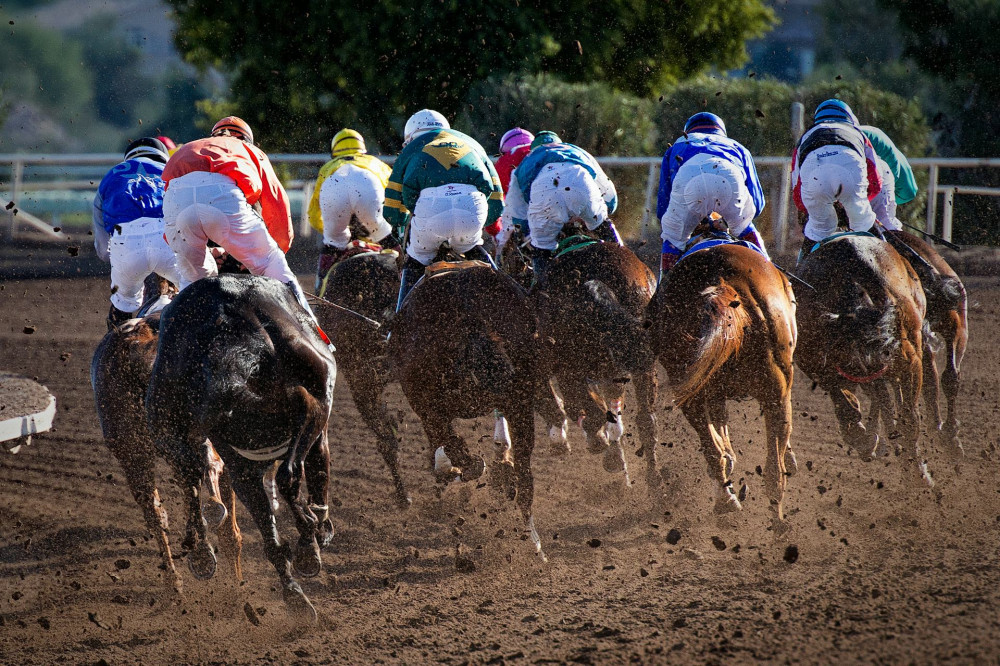
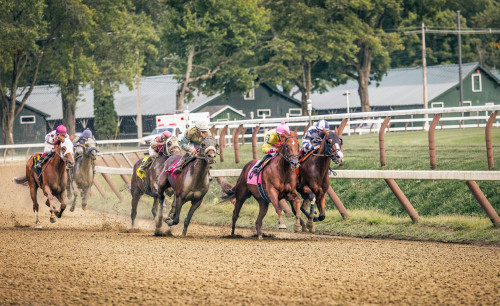
A horse’s performance depends not only on its form and training but also on the surface beneath its hooves. A wet, muddy track demands strength and stamina, while a dry, firm surface favors horses with explosive speed. Some horses thrive on a sloppy track, while others only show their best on a fast one.
That’s why it’s crucial to know what the track looks like on race day — and how it may have changed since the last meet. Even small variations in moisture, temperature, and maintenance can influence the outcome.
Check the Weather — Today and Yesterday
Start by looking at the weather forecast. If it’s been raining heavily in the days leading up to the race, the track may be slower and deeper than usual. On the other hand, several days of sun and wind can dry it out, making it faster and more compact.
Most U.S. tracks publish an official track rating, typically described as “fast,” “good,” “muddy,” or “sloppy.” But it’s worth comparing that with local weather reports and photos or videos shared on social media by fans and track reporters. These can give you a more accurate sense of what the surface really looks like.
Watch Earlier Races on the Card
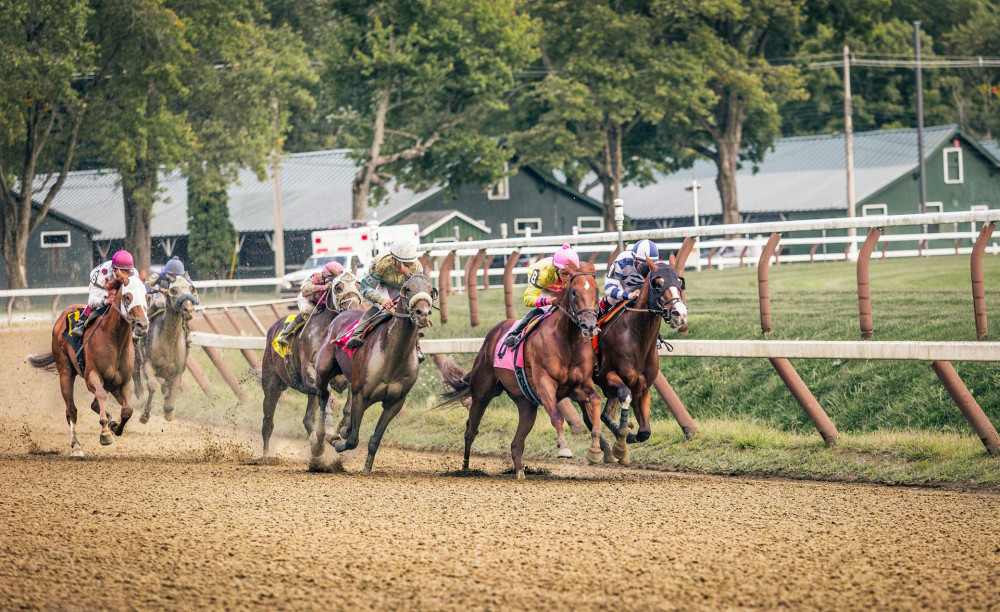
One of the best indicators of track behavior is how earlier races on the same card have played out. If you notice that front-runners are tiring quickly and being caught from behind, the track might be heavy or tiring. Conversely, if speed horses are holding on all the way, the surface is likely fast and favoring early pace.
Many bettors overlook this simple observation, but it can give you a clear picture of how the track is “playing” that day.
Læs også:

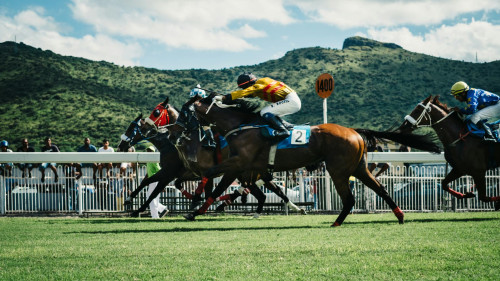
Know Each Horse’s Preferences
Once you have a sense of the track condition, the next step is to check how each horse has performed under similar circumstances. In race programs and online databases, you can often find notes on whether a horse has won on a “sloppy” or “fast” track.
Some horses have a powerful stride that suits deeper, wetter footing, while others have a lighter, quicker action that works best on firm ground. Matching a horse’s strengths to the day’s surface can help you spot value that others might miss.
Watch for Last-Minute Changes
Track conditions can change quickly — especially with sudden rain or intense sun. That’s why it’s smart to stay updated right up to post time. Many tracks update their official rating throughout the day, and trainers may adjust tactics or even scratch horses if the surface doesn’t suit them.
A quick check of the latest updates can save you from a bad bet and give you an edge over players who aren’t paying attention.
A Simple Pre-Bet Checklist
Before you place your wager, run through this short checklist:
- Check the weather — both for race day and the days before.
- Read the official track rating — and compare it with local observations.
- Watch earlier races — how is the track affecting race outcomes?
- Review each horse’s record — how do they perform on similar surfaces?
- Stay updated — right up until the race begins.
It only takes a few minutes, but it can give you a much clearer understanding of what you’re really betting on.
Track Conditions as Part of the Bigger Picture
While track conditions are important, they’re just one piece of the puzzle. Post position, distance, jockey, and current form all play a role. But by making track checks a regular part of your routine, you’ll gain a more complete picture — and a stronger foundation for your decisions.
Betting on horses ultimately combines knowledge, observation, and intuition. Track conditions are one of the most tangible factors you can analyze — and one of the most overlooked. Make it a habit to check them before you bet, and you’ll soon find your wagers becoming both smarter and more rewarding.
Læs også: